
Why Anime Appeals to Both Teen and Adult Audiences
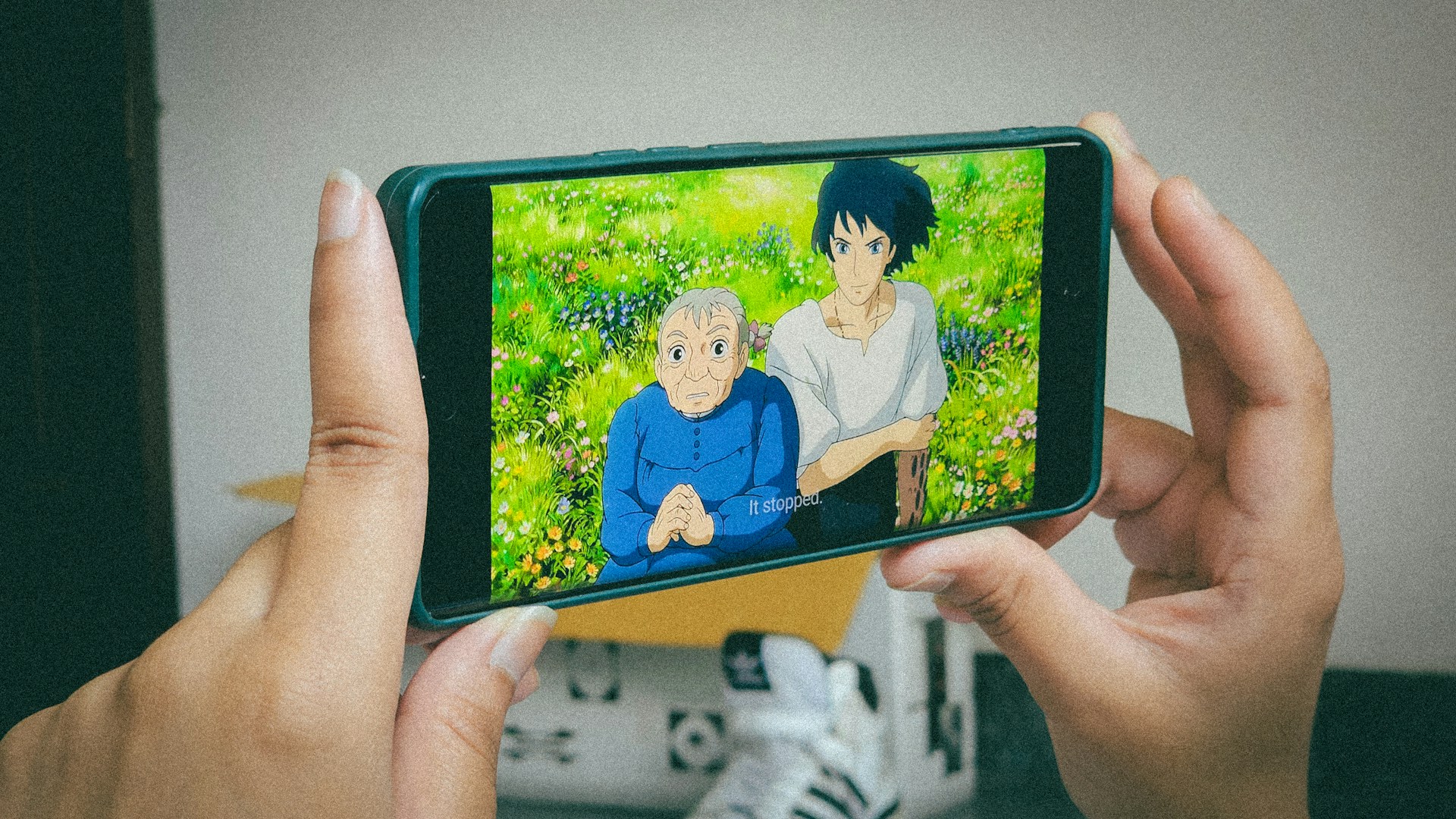
Anime has become a global entertainment phenomenon. What once seemed like a niche form of animation from Japan now reaches audiences in almost every part of the world. Streaming platforms, online communities, and international conventions have helped anime grow far beyond its original borders, allowing fans to easily discover classic and modern series, including discussions around mobile suit gundam 00 episodes. One reason for this growth is its broad appeal across different age groups. Unlike many forms of animation that focus mainly on children, anime often targets viewers of all ages. Teenagers enjoy its exciting stories and imaginative worlds, while adults appreciate deeper themes and complex characters. This ability to attract multiple generations helps explain why anime continues to expand its global audience.
Diverse Storytelling Across Genres
Anime offers an enormous variety of storytelling styles. Instead of focusing on one type of narrative, creators explore many genres such as adventure, romance, mystery, science fiction, and historical drama. This diversity allows viewers to find stories that match their interests. Teen audiences may be drawn to action-packed adventures or coming-of-age narratives. Adult viewers often appreciate more thoughtful plots that explore moral choices or philosophical questions. Many anime series combine several genres at once. A single show might include humor, emotional drama, and intense action scenes. This storytelling flexibility helps ensure anime remains engaging for different age groups. Because the stories rarely follow a predictable formula, viewers often remain curious about what will happen next.
Complex Characters and Emotional Depth
Another reason anime appeals to both teens and adults is its focus on character development. Many series explore the motivations, struggles, and growth of their characters over time. Young viewers often connect with characters who face challenges related to identity, friendship, or ambition. These themes reflect experiences that teenagers commonly encounter during personal development. At the same time, adult viewers appreciate characters who navigate complicated decisions or personal conflicts. Relationships, career goals, and moral dilemmas often appear in anime narratives. This emotional depth allows audiences to connect with characters on a personal level. As characters evolve, viewers feel invested in their journeys and outcomes.
Visual Style and Creative Expression

Anime is known for its distinctive visual style. Artists use expressive character designs, vibrant colors, and imaginative settings to bring stories to life. These visuals often create worlds that feel imaginative yet emotionally engaging. Fantasy landscapes, futuristic cities, and historical environments all appear in different series. Animation also allows creators to portray dramatic moments with strong visual impact. Action scenes, emotional reactions, and symbolic imagery can be presented in ways that live-action storytelling might find difficult. This artistic flexibility helps ensure that anime remains visually engaging for audiences of all ages.
Themes That Reflect Real-Life Experiences
Although anime often includes fantastical elements, many stories address real-life concerns. Friendship, responsibility, loss, ambition, and perseverance frequently appear as central themes. Teen viewers may find guidance in stories about personal growth and determination. Characters who overcome obstacles often inspire younger audiences to pursue their own goals. Adults may recognize deeper reflections on society, relationships, and personal choices. Some anime explore ethical questions or social issues through symbolic storytelling. These layered themes create a viewing experience that can feel meaningful at different stages of life. A viewer may interpret the same story differently as they grow older.
Global Accessibility Through Streaming Platforms
Streaming technology has played a major role in anime’s international popularity. Platforms such as Netflix, Crunchyroll, and other services allow audiences to watch anime instantly from almost anywhere. Subtitles and dubbed versions make series accessible to viewers who do not speak Japanese. This accessibility has helped anime reach broader audiences across cultures. Online communities also contribute to the growth of anime fandom. Fans discuss episodes, share artwork, and recommend new series through social media and forums. These communities connect viewers of different ages and backgrounds. Teenagers and adults often participate in the same discussions and events, strengthening the global anime culture.

